










.
Who Are Khadi Papers?
Originating from a desire to provide artists with a high-performance surface for their creativity whilst supporting traditional Indian papermaking, Khadi Papers introduced handmade rag paper to the global art community back in the early 1980s.
Working closely with papermakers in India, Nepal & Bhutan, their original Indian paper mill helps support the local community by directly employing over 60 men & women from local villages, along with providing indirect work for printers, technicians and carpenters.
Beyond using sustainably sourced materials for their paper, Khadi Papers are always striving to reduce their carbon footprint through other means, such as supporting the use of solar-powered production methods. Their mill even features an organic farm growing a selection of mangoes, bananas and vegetables, all irrigated using run-off water from the paper mill.

.
What Are Khadi Papers?
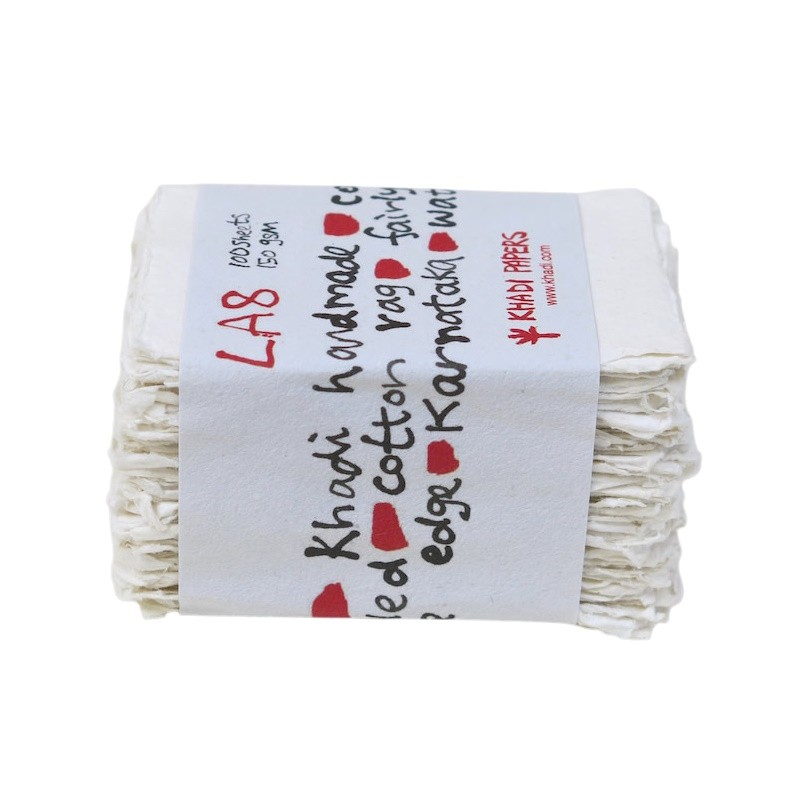
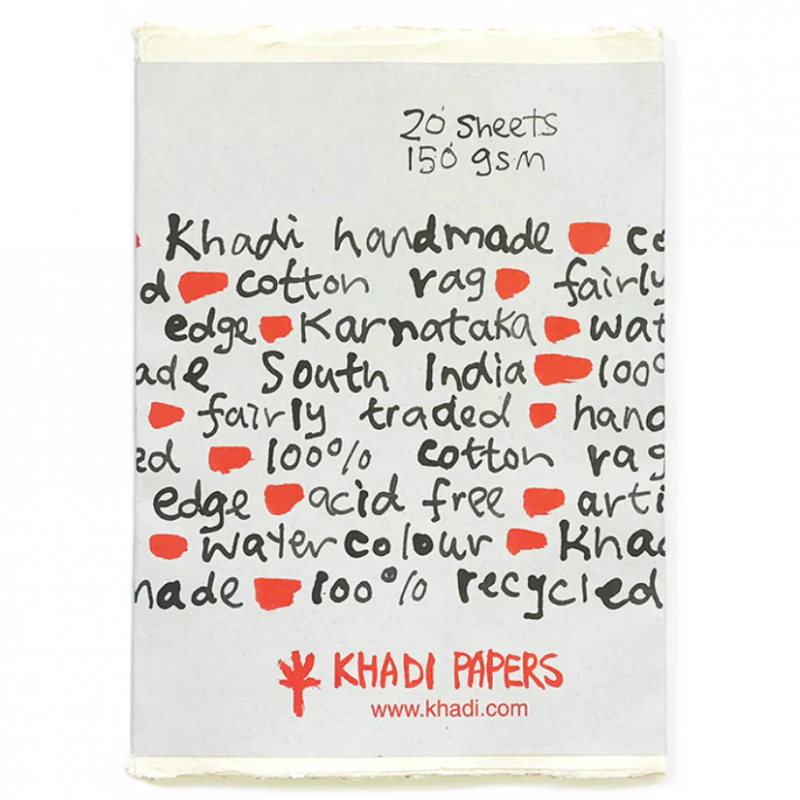
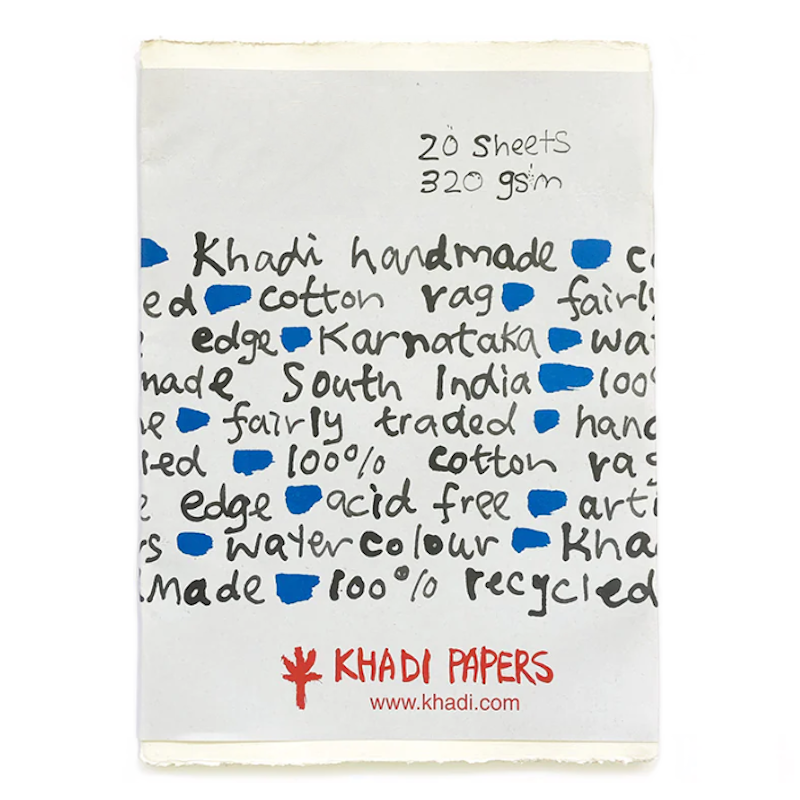
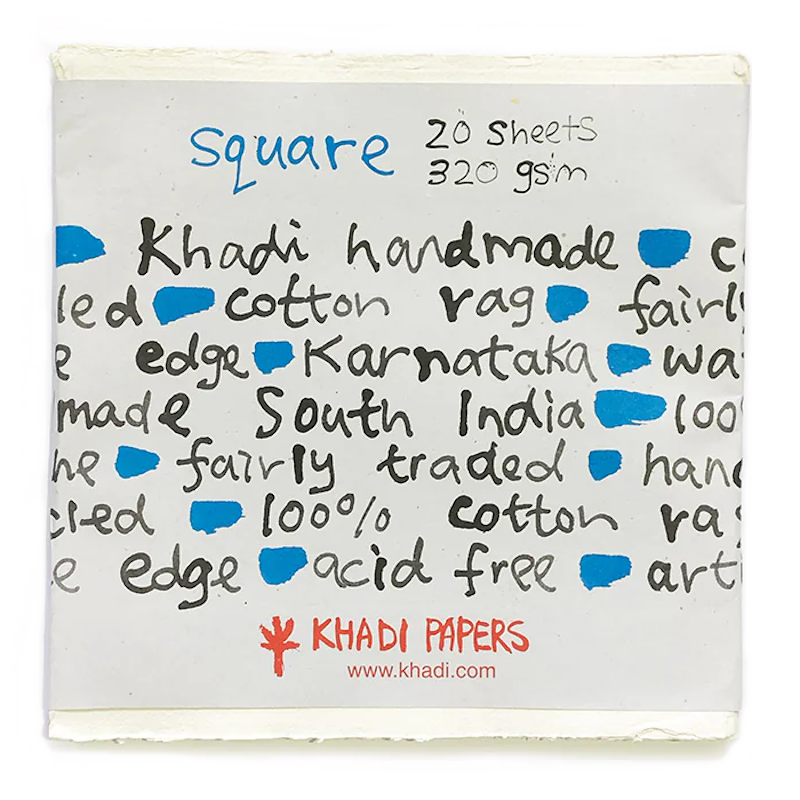
Available in an ever-growing selection of sizes, weights, finishes and colours, Khadi rag paper is an incredibly strong, versatile creative surface perfect for illustrators, designers, crafters, watercolourists and more.
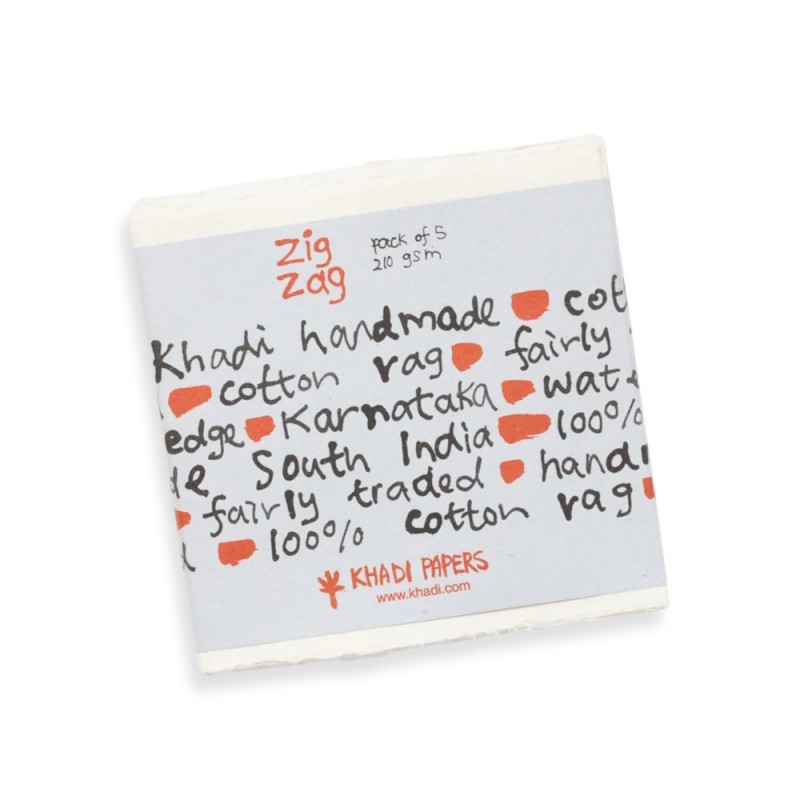
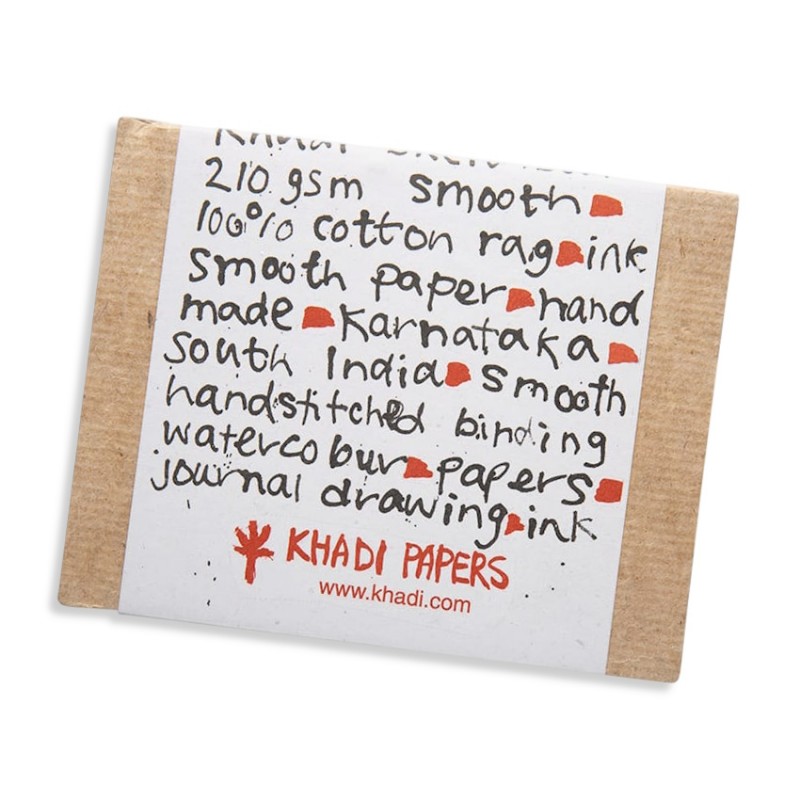
Unlike mass-produced papers, each sheet of Khadi rag paper is 100% handmade through traditional means and contains no wood pulp. Produced using recycled t-shirt cuttings, their longer cotton fibres provide additional strength, durability and absorption, all while helping to reduce deforestation and minimise environmental damage.
.

Crafting Khadi Rag Papers, a step-by-step process
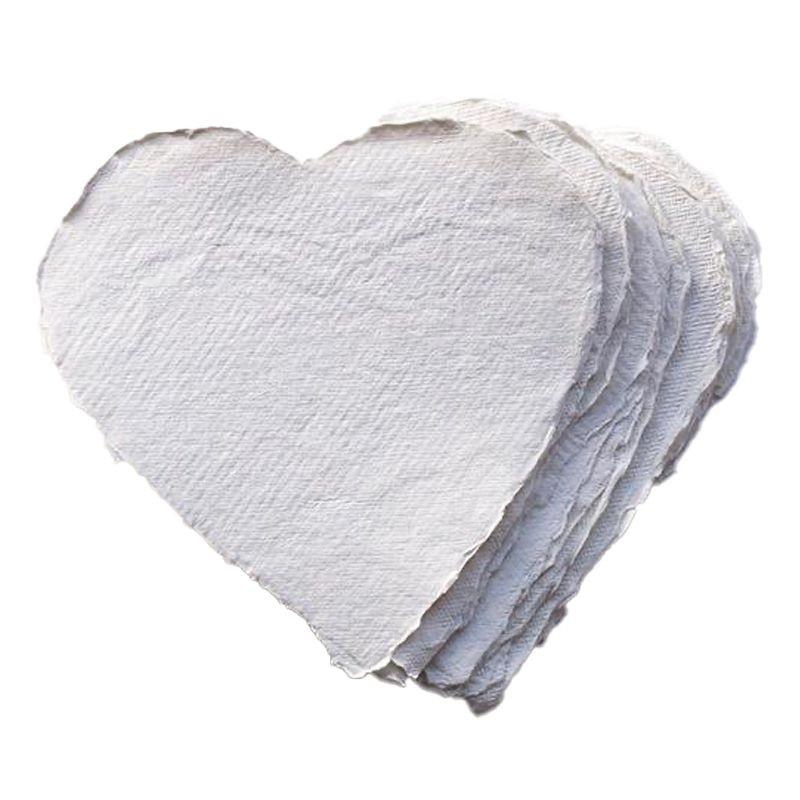
Whilst no two sheets will ever be identical, Khadi Papers artisanal approach to papermaking ensures their organic texture, visible fibres & natural deckled edges are preserved throughout the process.
To make the rags usable, they must first be pulped in a Hollander beater before having a Neutral pH internal size added (Khadi rag papers are the only handmade acid-free Indian papers with neutral pH size).
Formed using a handheld wooden mould with a stainless-steel wire mesh screen, the pulp is then held in place with a removable frame called a “deckle”. The slippage of pulp between the deckle and mould is what provides Khadi Papers with their characteristic deckled edge.
This is then lifted from the vat and sandwiched between two woollen felts before the process is repeated. Once a stack of sheets has been prepared and placed between these felts, they’re hydraulically pressed to remove any potential excess water before being allowed to dry naturally.
And finally, each sheet is tub sized (surface sized) with gelatine for a hard, water-resistant surface perfect for watercolour techniques.
.

100% Natural Fibres
One defining feature amongst Khadi Papers are their use of 100% cotton rag. Sourced from recycled cotton textile, their fibres are both longer & stronger than wood pulp, resulting in paper that is highly durable, tear-resistant and naturally archival.

Acid-Free and Archival
The only handmade papers in India made using neutral pH internal sizing, all Khadi Papers are truly acid-free & archival, ensuring any artwork created on Khadi Paper doesn’t yellow, degrade, or become brittle over time.

Handmade Quality
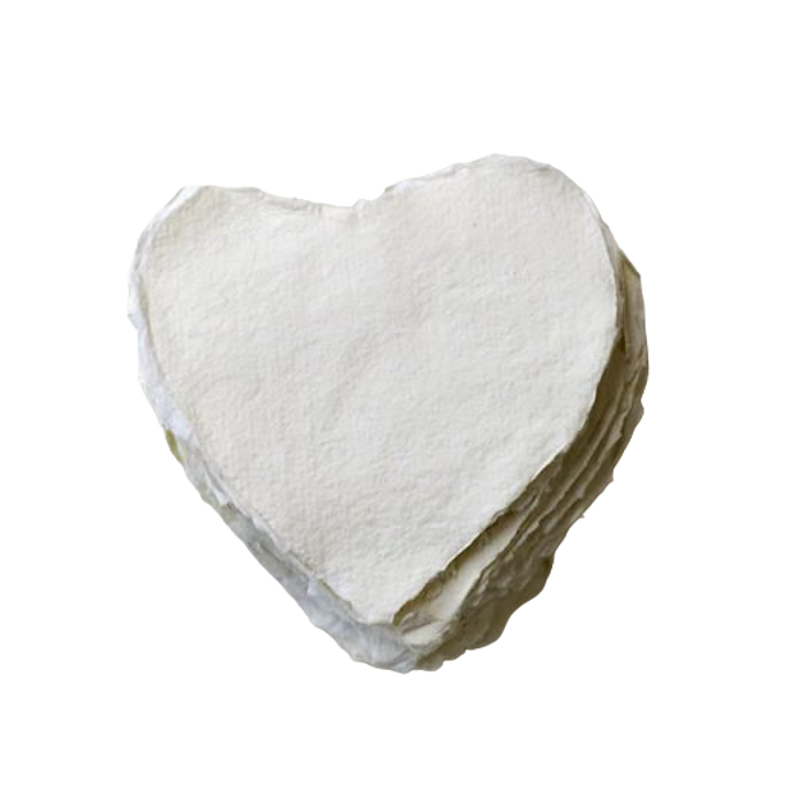
As part of their papermaking process, all Khadi Papers feature beautiful natural deckle edges & tactile textured surfaces. Each individually formed sheet is completely unique, perfect for artists who value added character & authenticity in their materials.

No Wood Pulp, No Deforestation
Khadi Papers are made without wood pulp, helping reduce deforestation and environmental damage. Instead, they rely on recycled cotton, agricultural waste, and renewable plant fibres.

Incredible Versatility
Thanks to the exceptional strength of their longer cotton fibres, Khadi Papers provide a robust, versatile working surface that actively prevents buckling whilst enhancing expressive mark-making. Perfect for inks, heavy watercolour washes, printmaking projects and mixed media work.
.
Art Paper with Purpose
Every handmade sheet from Khadi Papers comes with a story and represents a slower, more thoughtful approach to crafting art materials. Combining traditional craftsmanship with professional-level performance & a focus on environmental responsibility, they’re a trusted choice for artists seeking materials that respect both their creativity and the planet.
.
Want to discover more about these amazing products? Explore the full range today!
.