





Graphite Pencil Grades
A Practical Guide for Artists
Ahh, the humble graphite pencil... many an artists’ first creative outlet.
In terms of complexity, graphite pencils may appear to be just a step above the “mud on stick” technique of our caveman ancestors, but don’t let that fool you. These versatile tools are intuitive enough to nurture the burgeoning creativity of children, yet expressive enough to capture the depth of human complexities in portraiture.
Whether you’re sketching a street scene, illustrating a book or making architectural plans, understanding graphite pencil grades is a key step. After all, knowing how an HB, 6H, 4B or F will behave offers not only better control, but a smoother workflow & the confidence to make informed choices in your artwork.
So, in this guide, we’ll be exploring graphite pencil grades, exploring what they mean, how best to use them & how they affect your work.
.
What are Graphite Pencil Grades?
If your only interaction with graphite pencils was during school, or in the office, you’re likely already aware of HB & 2B grades, but what does that mean exactly?
Graphite pencil grades reflect how hard or soft the core is, which can affect the darkness of the mark, how easily it can be smudged or manipulated, and the sharpness of the line. Put simply, H is harder, B is softer & HB sits somewhere in the middle.
Each grade is measured incrementally, going up in number dependent on the specific use. For instance, a 2H pencil is harder than an H, whilst a 6B is softer and darker than a 2B.
Understanding the Scale
- H (hard): Offers lighter, finer lines
- B (soft): Perfect for darker, broader lines
- F (fine): Sits between HB and H
- HB: The middle ground, an ideal all-rounder
.
H Grades
Hard, Fine & Precise
Strong enough to maintain their sharp point for longer, H-grade graphite pencils have a harder core that produces crisp, controlled lines with minimal smudging, making them ideal for precise applications like technical drawing, architectural plans or light sketching.
Common H Grades & Their Uses
- H / 2H: Light sketching, outlines & accurate line work.
- 3H - 5H: Technical & architectural drawing or layout work.
- 6H & up: Fine, pale lines for delicate drafting techniques.
Benefits of H-Grade Pencils
- Stays sharper for longer
- Offers clean, accurate marks
- Perfect for light base sketches to draw over
HB & F Grades
Balanced for Everyday Use
HB-grade graphite pencils sit exactly in the centre of the scale... not too hard, not too soft. Versatile enough for almost any drawing task, it's by far the most popular & widely available grade used worldwide by both beginners and professional alike.
Why Choose HB or F?
- HB: All-purpose, perfect for sketching, writing or quick studies.
- F: A slightly finer point than HB for precise writing & mild detail work.
Benefits of HB & F-grade Pencils
- Versatile & highly accessible
- A comfortable middle ground
- Great for light shading or tonal work
B Grades
Soft, Dark & Expressive
Delivering darker tones with minimal pressure, B-grade pencils are at the softer end of the scale. Ideal for expressive drawing, studies or portraits, their softness offers smooth gradient-like blending & rich shading.
Common B Grades & Their Uses
- 2B: General shading, loose sketching & soft outlines.
- 4B: Deeper shadows, expressive strokes & bold sketching.
- 6B: Dramatic tonal work, life drawing & largescale shading.
- 8B - 9B: Extremely soft for rich blacks, velvety textures & gestural work.
Benefits of B-grade Pencils
- Easily achievable dark values
- Smooth blending for soft, realistic shading
- Great for gestures, subtle touches & dynamic movement
.
2B or not 2B?
Choosing the Right Grade
As you can see, when it comes to graphite pencils, there are quite a few options to pick from. Whilst this versatility is undeniably impressive, it can lead some to wonder... “Which one is right for me?”.
Below is a quick cheat sheet of sorts, to help you decide which grade of graphite pencil works best for you.
Beginners or Everyday Sketching
If you’re a newcomer or doing some simple sketching, you’ll need to cover a wide range of needs, so we recommend using HB, 2B & 4H-grade pencils to start out with.
Technical or Detailed Drawing
Whether you’re fashion designing or producing architectural plans, sticking to a harder graphite core offers crisp, controlled lines for structural details and light layers. To start out, we’d recommend a collection ranging from H-4H, which can be built upon later.
Portraits, Landscapes & Still Life Drawing
Drawing anything from the natural world such as people, objects or places requires softer edges & smooth, gradient-like shading for maximum realism and depth. We recommend building a small collection of softer graphite pencils ranging from 2B-8B for the most utility.
Of course, this is just a guide & learning what works best for you personally is important to achieving your creative goals. Why not experiment with pairing multiple grades for a full, dynamic range of tones?
.
The Final Grade
Understanding graphite pencil grades & their differences not only offers incredible flexibility but is a fundamental step in achieving your creative goals. Whether you’re into precision lines or expressive marks, having the knowledge & confidence to choose the right tools for your needs can make all the difference.
.
Feeling Inspired?
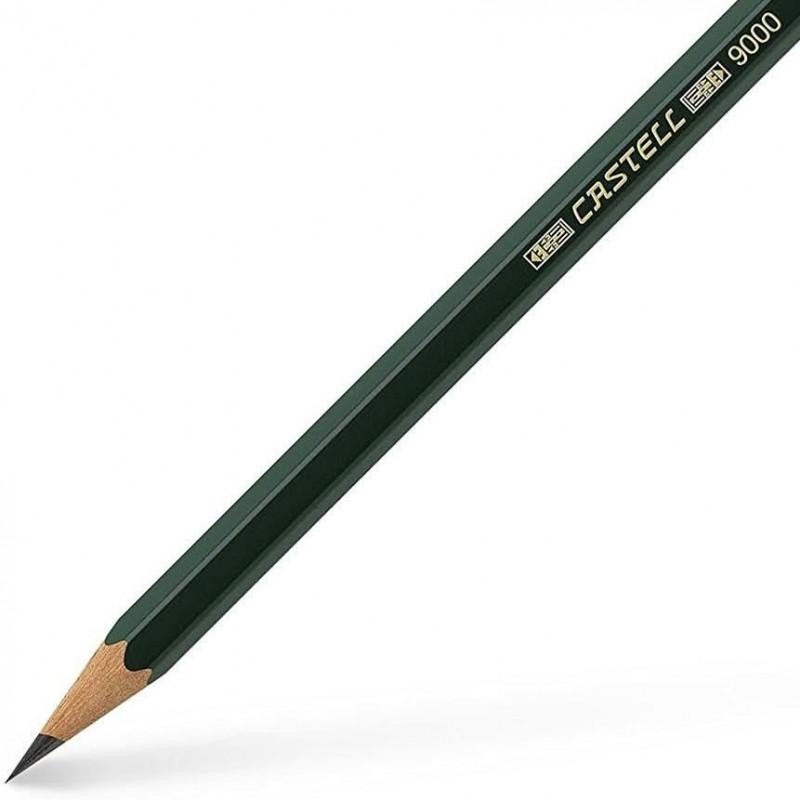
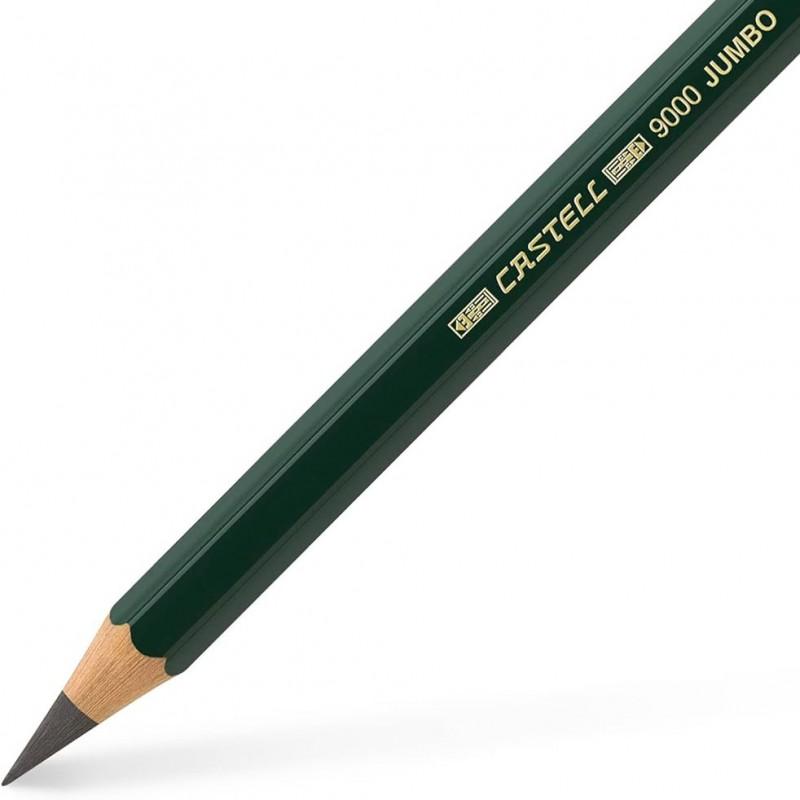
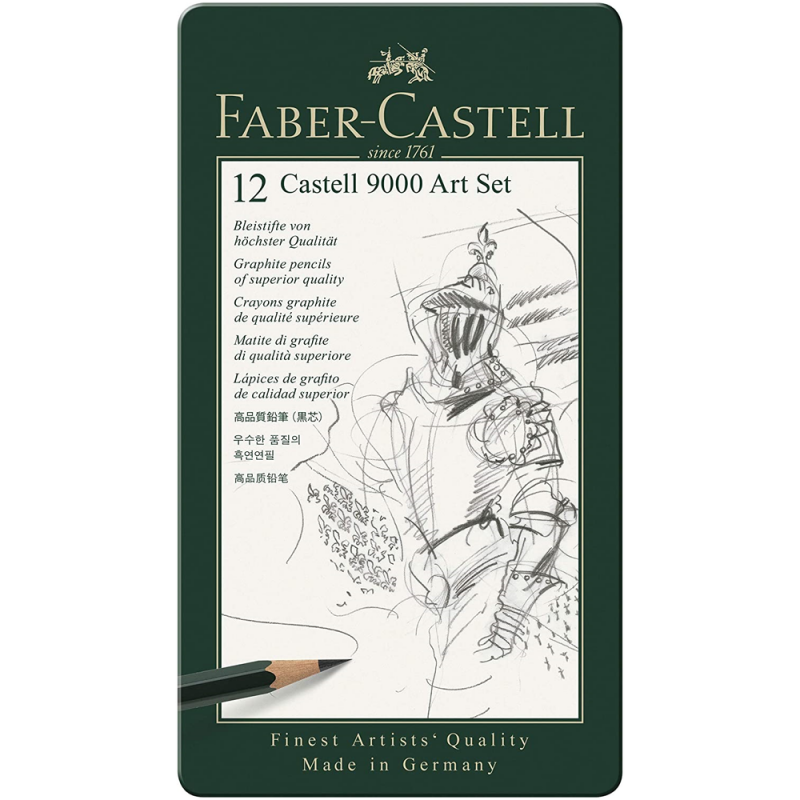
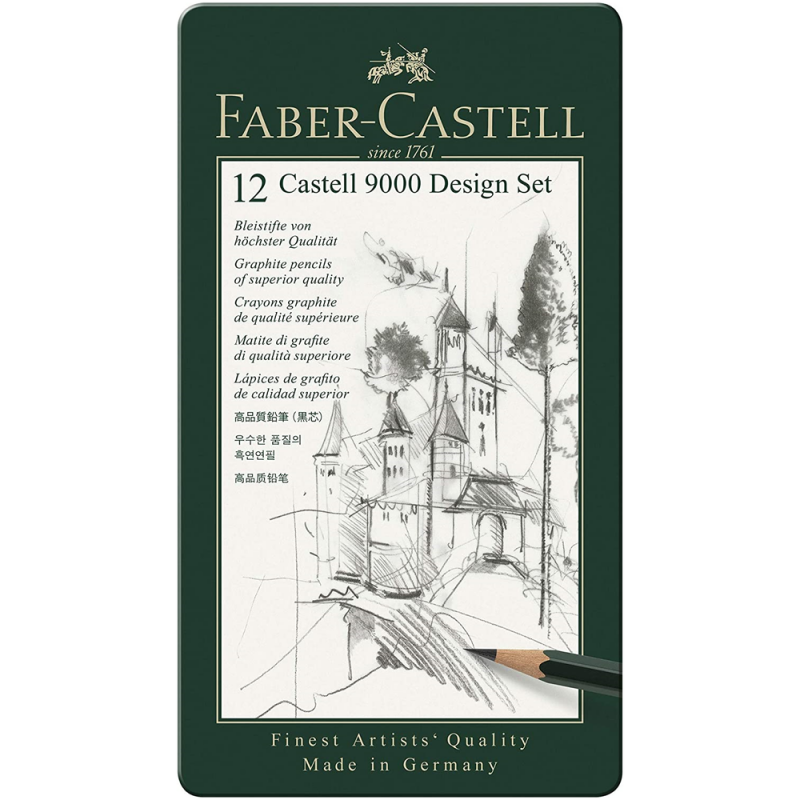
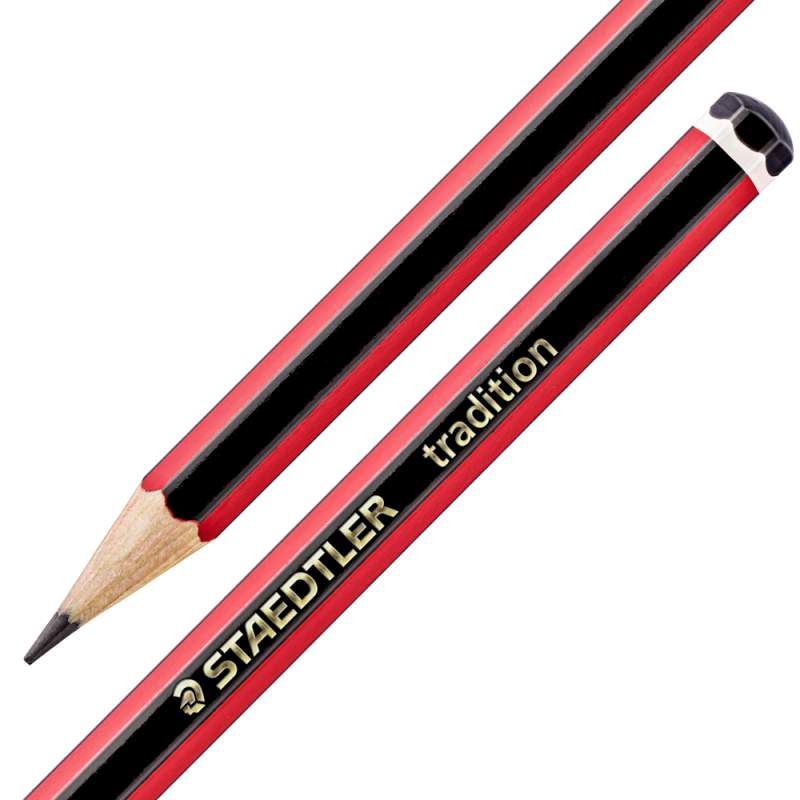
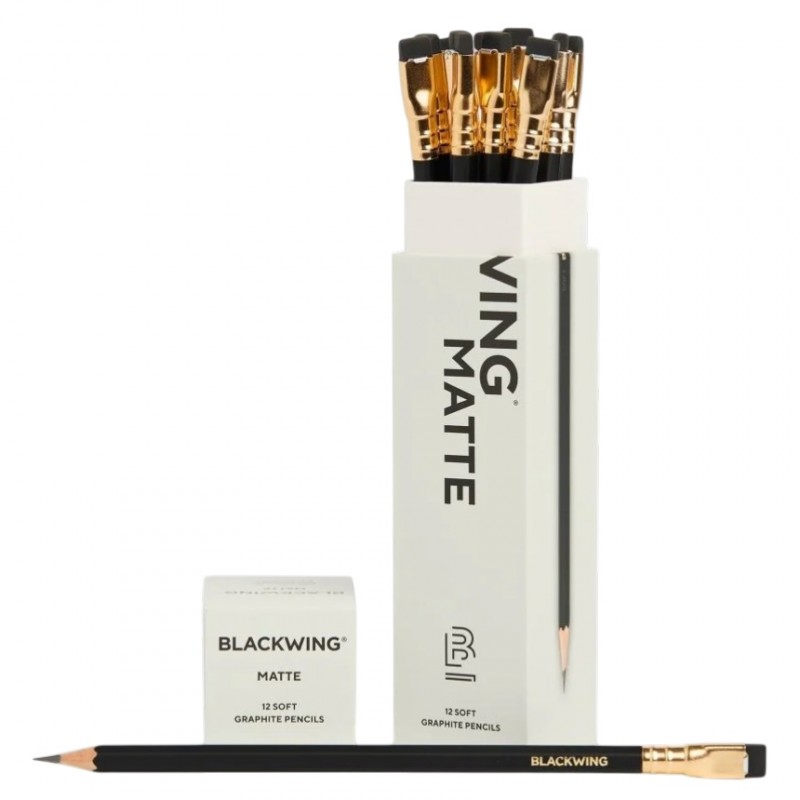
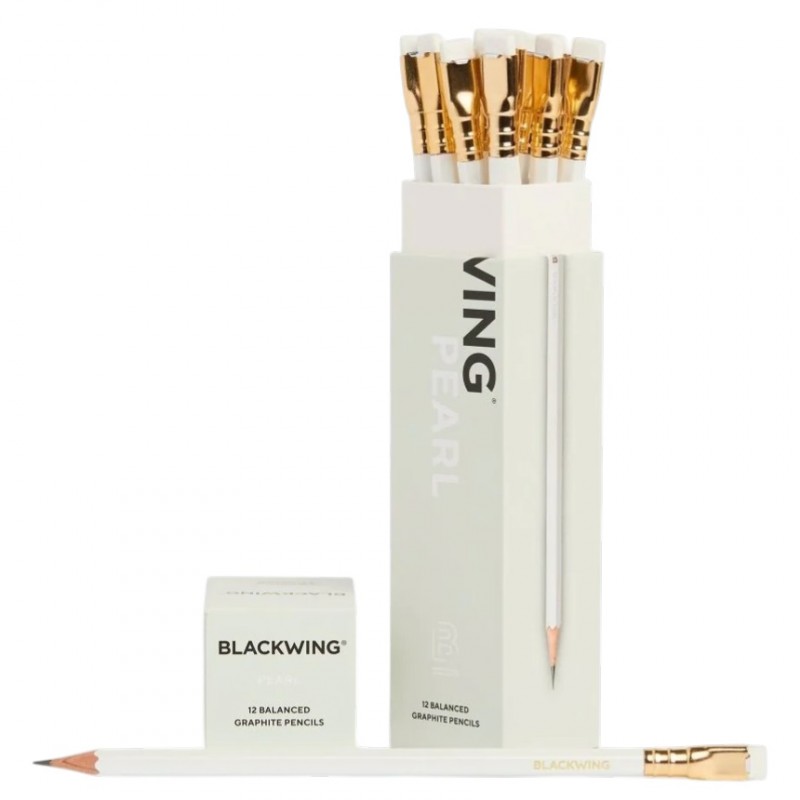
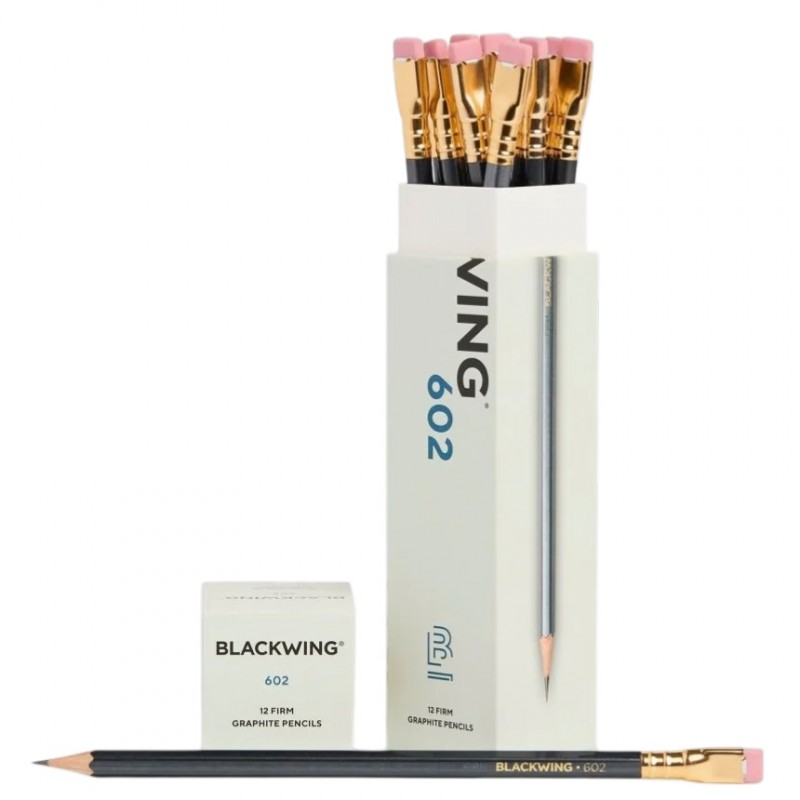
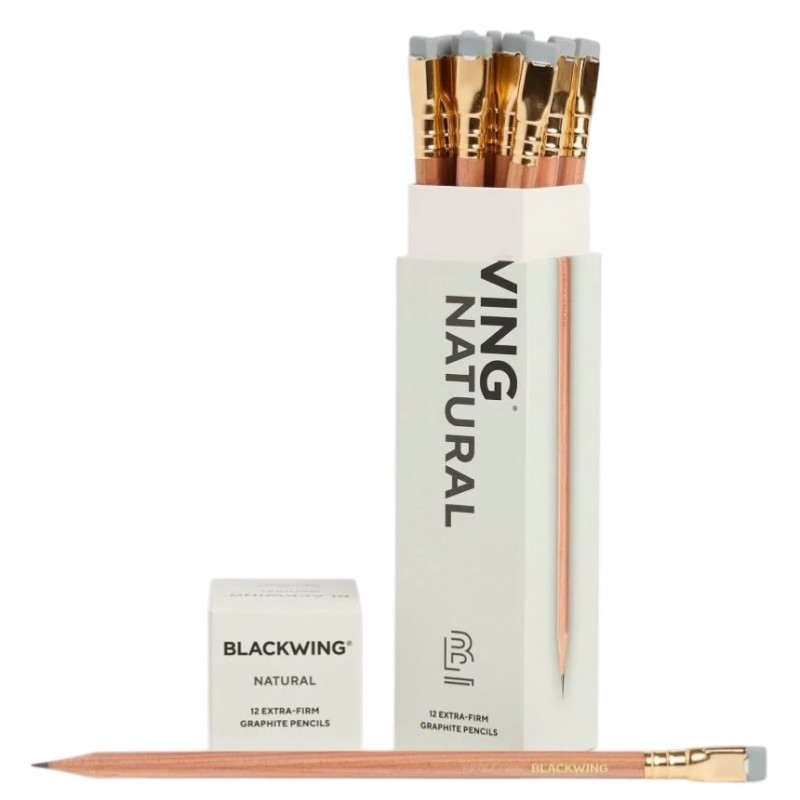
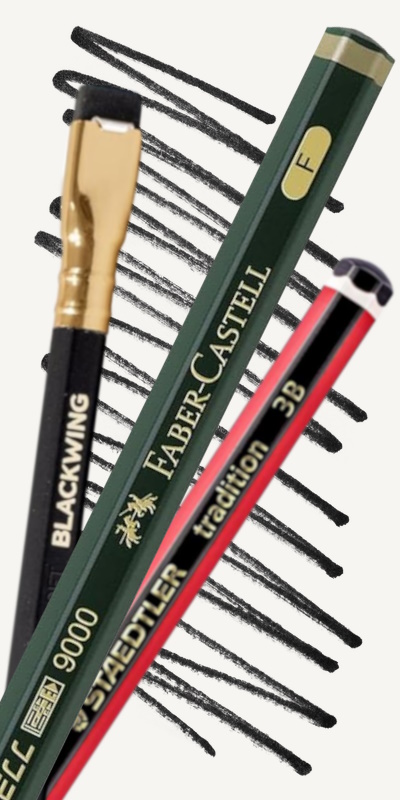
Explore our collection of high-quality graphite pencils today and discover the 9000 or 9000 Jumbo ranges from Faber-Castell, the Tradition 110 from Staedtler and the sleek, beautifully designed Palomino series of professional pencils from Blackwing.
No matter your needs, we’re sure to have the perfect pencil for your next project.
.